
Professions Most Likely to Outlast AI
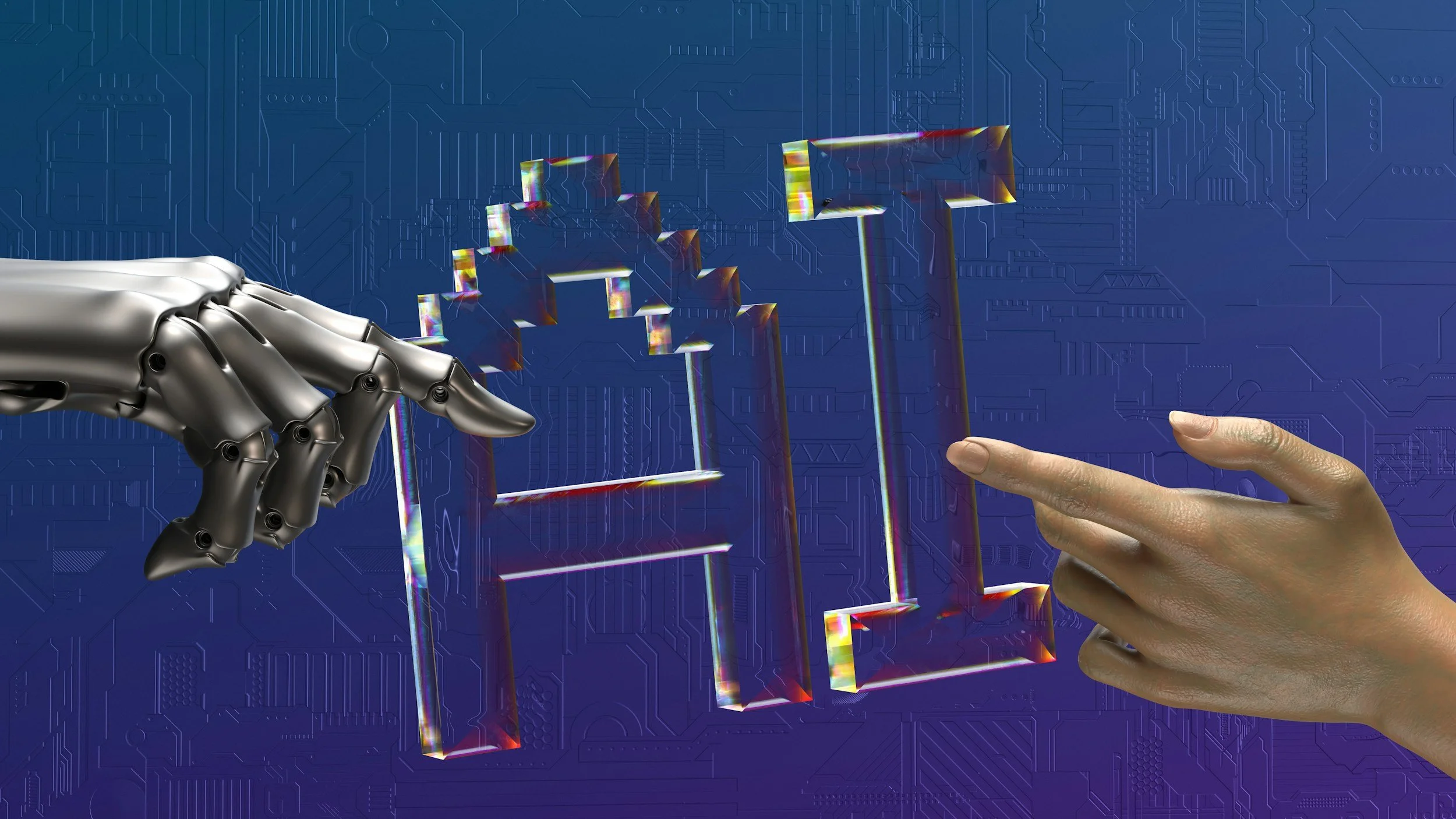
Alright students, this one is for you!
Choosing a major can feel overwhelming. Take it from someone who toggled between majors in her early academic career before finally falling in love with law. What makes today even more stress provoking is that it seems like every direction you look, there’s a new headline saying AI is going to replace half the workforce, or that certain degrees are “dead ends.” The good news is that despite the doomsday rhetoric, there are many professions that offer real stability in the AI-driven, new world. The key is understanding this: Yes, AI is reshaping work, but it cannot erase the need for human judgment, care, leadership, and physical-world problem solving— i.e., all that YOU bring to the workforce.
Healthcare and Humanities
Let’s start with healthcare and human-centered fields. Majors like Nursing, Psychology, Social Work, Education, and Dentistry remain highly resilient because they are rooted in trust, empathy, and hands-on care. Even with advanced AI tools, people still want a human sitting across from them when they are sick, overwhelmed, or in need of guidance. Similarly, fields like Medicine and physician assistant studies continue to grow because they combine technical expertise with human accountability in high-stakes environments.
Technical Majors
Then there are the infrastructure, technical, and systems-based majors. Cybersecurity and Computer Engineering are expanding directly alongside AI because the more advanced technology becomes, the more protection and engineering it requires. Make no mistake, data Science is also evolving and expanding. AI can generate outputs, but humans are still needed to interpret, question, and apply those insights responsibly. One of the most famous examples came from Amazon, which scrapped an experimental AI recruiting tool after discovering it had learned to disadvantage women applying for technical roles. Because the system was trained on historical hiring data from a male-dominated industry, it began penalizing resumes that included terms associated with women, such as “women’s chess club.” On the physical-world side, Civil Engineering plays a critical role in designing and maintaining the roads, buildings, and climate-resilient systems societies depend on.
Skilled Trades
Beyond that, there are a set of majors that often get overlooked- Skilled Trades. These jobs remain essential because they involve physical work in unpredictable environments. Renewable Energy and environmental sciences are growing due to climate investment and infrastructure transitions. Companies like Tesla, NextEra Energy, and Ørsted have expanded investments in solar, battery storage, wind energy, and grid modernization as demand for cleaner energy rises. At the same time, federal legislation like the Inflation Reduction Act accelerated funding for renewable projects across the country, helping drive major growth in clean energy jobs and infrastructure investment. According to the U.S. Department of Energy, these investments have supported hundreds of new manufacturing facilities and tens of thousands of potential jobs in clean energy sectors.
Lastly, fields like physical therapy, occupational therapy, speech pathology, human resources, organizational psychology, finance with AI literacy (Fintech), supply chain and logistics, urban planning, and strategic communications all share something in common: they require human adaptability, ethical decision-making, or real-world coordination that cannot be fully automated.
So here’s the big takeaway for you all. It’s impossible to avoid AI at this current moment in history, so picking a major is more about choosing a path that allows you to leverage AI as a tool. The most future-proof careers will sit at the corner of human judgment, technical fluency, and adaptability. If you can build skills that combine those three, you’ll position yourself to lead in in an AI world.
